Crack for Lightroom: Is It Worth the Risk?
The allure of free software is strong, especially with a program as powerful as Adobe Lightroom. However, obtaining Lightroom through unauthorized "cracks" presents substantial risks. While the initial cost savings might seem appealing, the potential consequences far outweigh any perceived benefits.
The Allure of Free Lightroom
The high cost of Adobe's subscription model pushes some users towards seeking cracked versions. This is particularly true for budget-conscious hobbyists or beginners. However, this seemingly cost-effective solution comes with severe drawbacks.
Lightroom 2025: Speed and AI Power
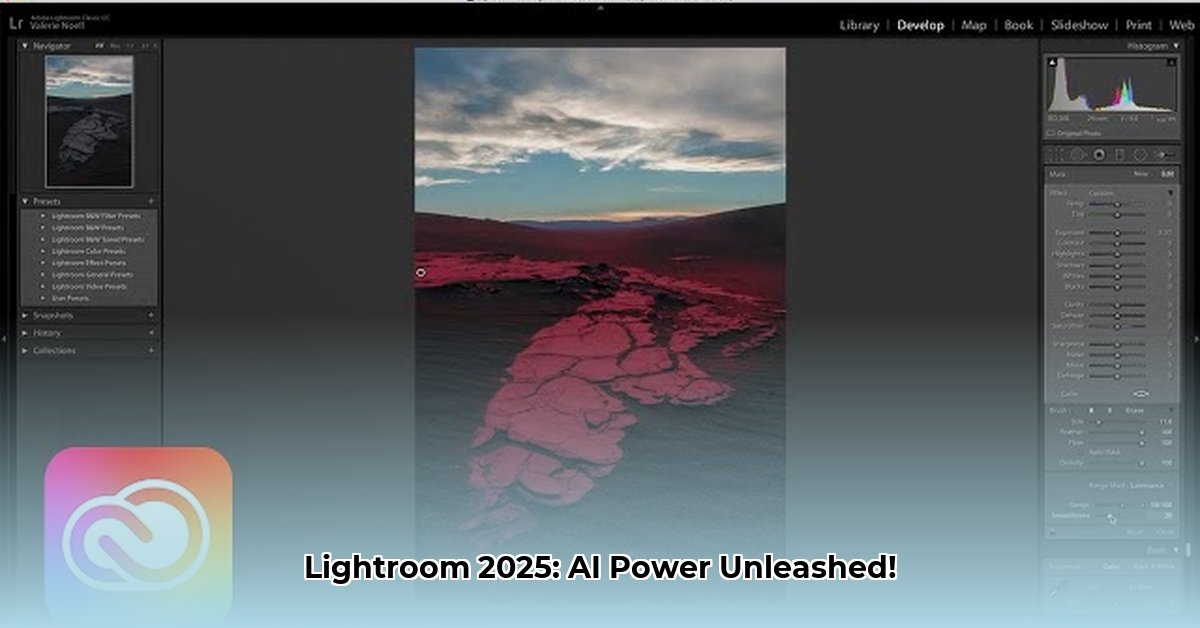
Lightroom 2025 boasts significant improvements in speed and AI capabilities. Processing RAW images and large batches of photos is notably faster. The integrated AI features streamline complex edits, offering precision and efficiency previously unattainable. These enhancements underscore the value of legitimate software development and highlight the risks associated with using cracked versions.
The Hidden Dangers of Cracked Software
Using a cracked version exposes users to multiple significant threats:
- Malware Risks: Cracked software is frequently bundled with malware, potentially compromising your system's security and exposing personal data.
- Legal Ramifications: Software piracy carries substantial legal penalties, including fines and potential lawsuits.
- Feature Limitations: Cracked versions often miss crucial updates and new features, hindering the user experience.
- Performance Instability: Expect frequent crashes, glitches, and unreliable performance due to the inherent instability of cracked software.
Beyond the Technical: Ethics and the Value of Creativity
Using cracked software is not merely a legal issue but also an ethical one. The developers of Lightroom have invested considerable time and effort into its creation. Using pirated copies deprives them of the fair compensation for their work and undermines their efforts. It is crucial to respect the value of their creative contributions.
Legitimate Access to Lightroom
Several legitimate alternatives exist:
- Free Trials: Adobe frequently offers free trials allowing users to evaluate Lightroom's features before committing to a subscription.
- Free and Open-Source Alternatives: Explore viable options like Darktable or RawTherapee. Although lacking some of Lightroom's advanced features, these programs offer solid functionality.
- Budget-Conscious Subscriptions: Evaluate your budget and Lightroom's features, and consider alternative software if it doesn't fit your financial capabilities.
The Bottom Line: Informed Decision-Making
While the temptation of free access is undeniable, the risks of using cracked software are considerable. The potential for malware, legal issues, and unreliable performance far outweigh any short-term cost savings. The stability, updates, and support provided by legitimate software are invaluable. Make an informed decision, understanding the long-term implications.
How to Improve Lightroom Classic Mobile App Syncing Speed
Lightroom Classic mobile syncing can be frustratingly slow. However, strategic optimization can dramatically improve syncing times. This involves several key areas: hardware, software settings, network stability, and mobile device management.
Hardware Optimization: RAM and SSDs
Sufficient RAM (at least 12GB, more is better) allows Lightroom Classic to handle more data, improving overall performance and syncing speed. Similarly, an SSD (Solid State Drive) offers significantly faster file access compared to an HDD (Hard Disk Drive), which dramatically accelerates all operations, including syncing.
Preview Settings: Balancing Speed and Quality
Lightroom Classic generates image previews. Larger, higher-quality previews enhance visual detail but increase syncing times. Smaller, lower-quality previews speed up the process. A compromise between speed and visual fidelity is essential.
Network Connection: Bandwidth Matters
A strong, stable internet connection is crucial for efficient syncing. Slow or unreliable connections directly impact syncing speed, creating a significant bottleneck. Ensure you have sufficient bandwidth for optimal performance.
Mobile Device Management: Background Processes
Background apps consume resources, slowing down syncing. Close unnecessary apps to free up processing power. Disabling auto-lock prevents the device from going to sleep mid-sync.
Disk Space: Available Capacity
Adequate hard drive space is necessary for efficient operation. Insufficient free space directly impacts performance, including syncing speed. Ensure at least 20% free space for optimal results.
Step-by-Step Guide to Accelerated Syncing:
- Upgrade RAM: Increase your system's RAM to at least 12GB. Does your system's performance bottleneck stem from insufficient RAM?
- Migrate to SSD: Install an SSD and move Lightroom's catalog and images for faster access. How much faster is an SSD compared to an HDD?
- Optimize Previews: Adjust preview size and quality settings within Lightroom Classic preferences to strike a balance between speed and visual quality.
- Improve Network Connectivity: Ensure a robust and reliable internet connection with sufficient bandwidth to facilitate fast syncing. Is your internet speed impacting your syncing time?
- Minimize Background Apps: Close unnecessary apps on your mobile device before initiating a sync. What are the most resource-intensive apps on your phone?
- Manage Hard Drive Space: Maintain sufficient free space (at least 20%) on your hard drive to ensure efficient performance. How much free space do you currently have?
By optimizing these aspects, you can significantly enhance the speed and efficiency of your Lightroom Classic mobile app syncing. Remember that a holistic approach, addressing both hardware and software aspects, yields the most substantial improvements.
⭐⭐⭐⭐☆ (4.8)
Download via Link 1
Download via Link 2
Last updated: Friday, May 09, 2025